Sichuan Peppercorn (花椒 - Huājiāo)
A practical ingredient guide for sensation, flavor profile, and culinary applications.
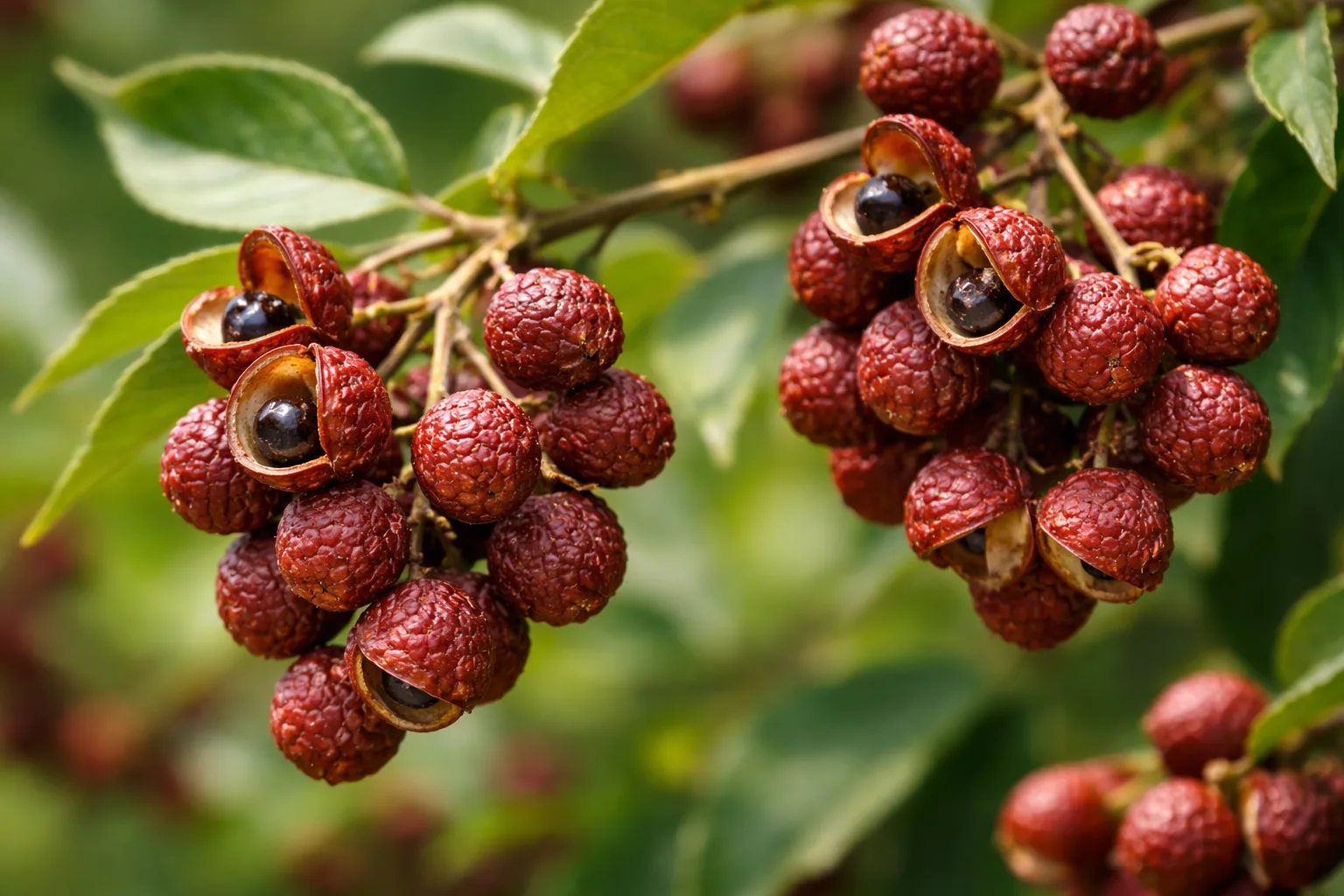
Sichuan peppercorn is not a true pepper, but rather the pinkish-red dried outer husks of the berries from the Zanthoxylum genus (part of the citrus family). Renowned for its unique sensory properties, it is a cornerstone ingredient in Sichuan cuisine and the driving force behind the famous mala (numbing and spicy) flavor profile.
What Is Sichuan Peppercorn?
Unlike black pepper (which contains piperine) or chili peppers (which contain capsaicin), Sichuan peppercorn does not produce heat. Instead, it causes a unique tingling, buzzing, and numbing sensation on the tongue and lips.
- The Active Compound: The chemical responsible for this phenomenon is hydroxy-alpha-sanshool.
- How It Works: Sanshool interacts directly with somatosensory receptors on the tongue rather than taste buds. It essentially tricks the nervous system into feeling a physical vibration, specifically at a frequency of about 50 Hz.
How It Is Used
Flavor Notes
- Aroma: Bright, citrusy, floral, and woody.
- Taste: Slightly bitter and astringent at first, rapidly giving way to a cooling, electric numbness that alters the taste of subsequent bites.
Varieties
There are two primary types used in Chinese cooking:
| Variety | Color | Flavor Profile | Common Uses |
|---|---|---|---|
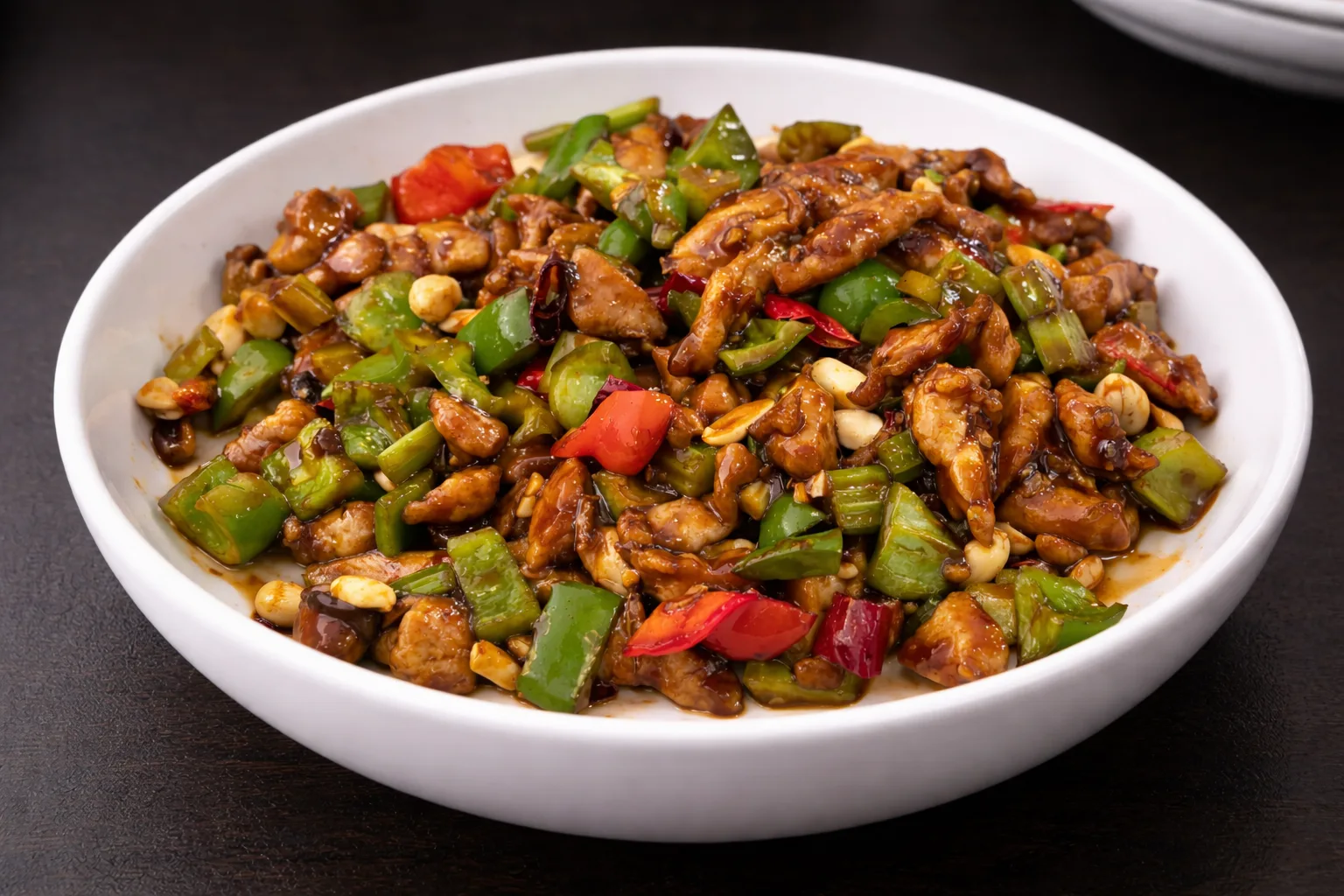
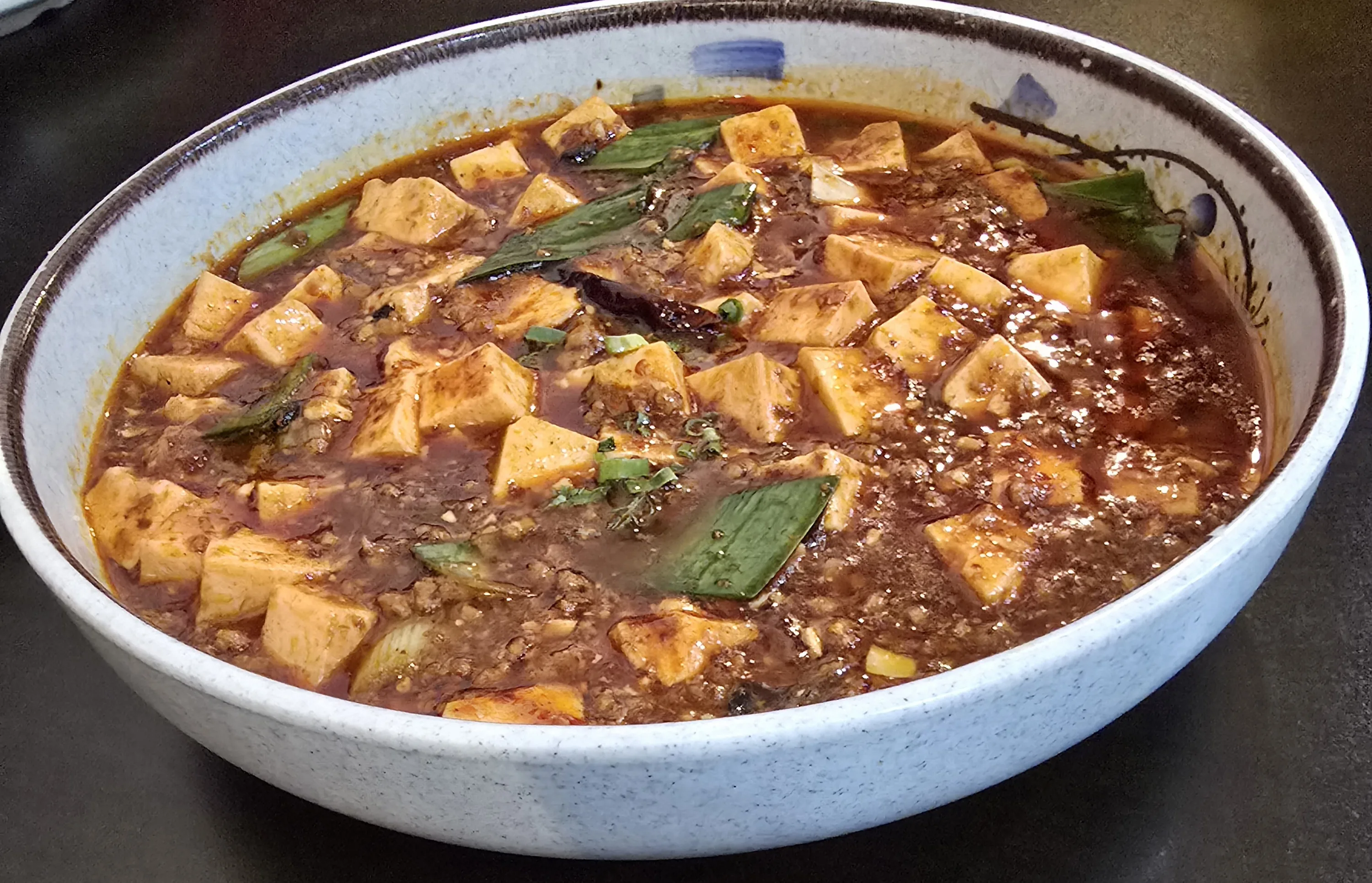
| Red Sichuan Peppercorn (Hong Huajiao) | Deep pinkish-red to rust | Earthy, woody, intensely numbing | Mapo Tofu, hot pot, Kung Pao Chicken, five-spice powder |
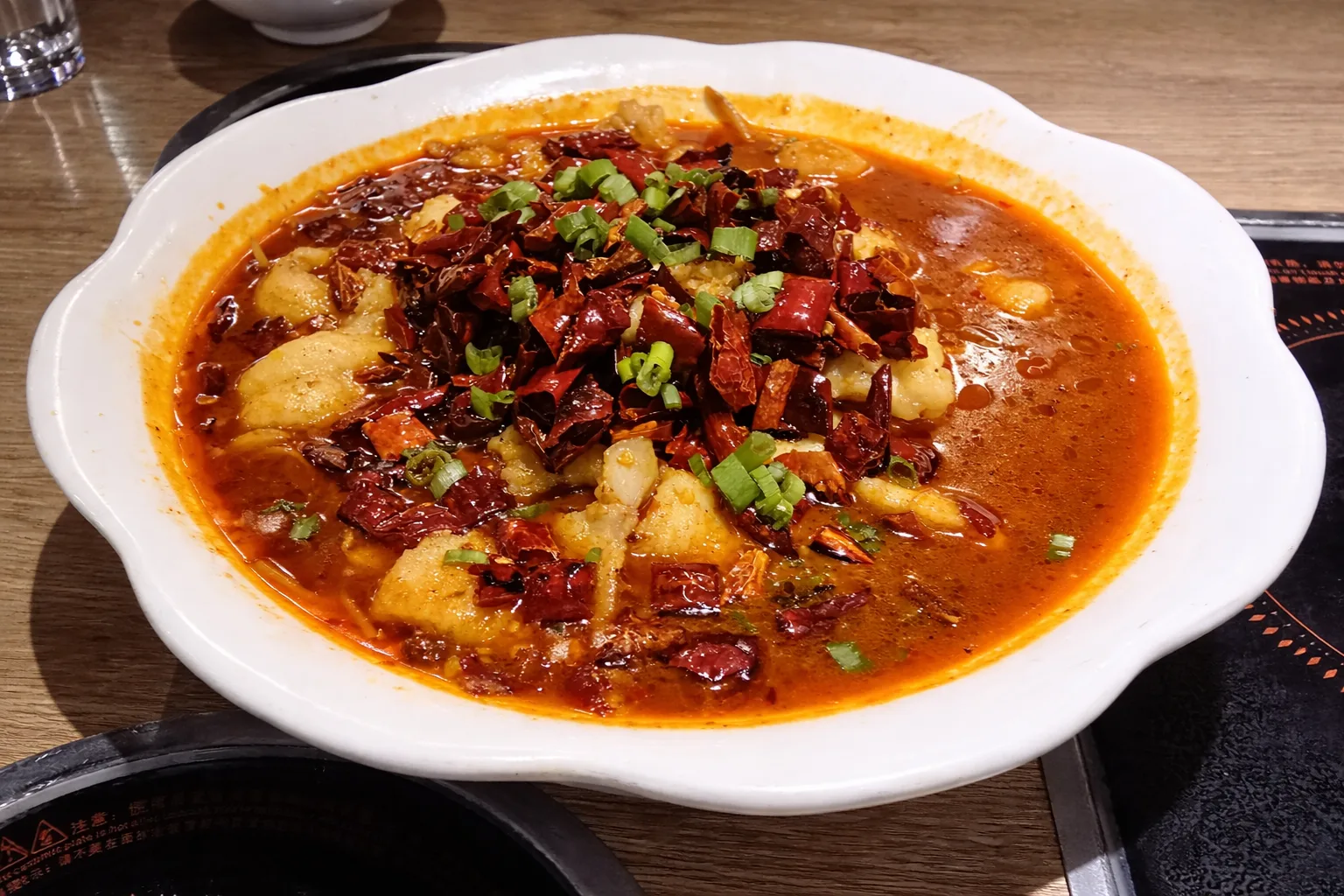
| Green Sichuan Peppercorn (Qing Huajiao) | Vibrant olive green | Refreshing, sharply citrusy (lime/lemongrass), aromatic | Fish dishes, cold appetizers, infused oils |
Traditional and Modern Uses
Sichuan peppercorns are rarely eaten whole; they are usually used to infuse oils, toasted and ground, or simmered in broths.
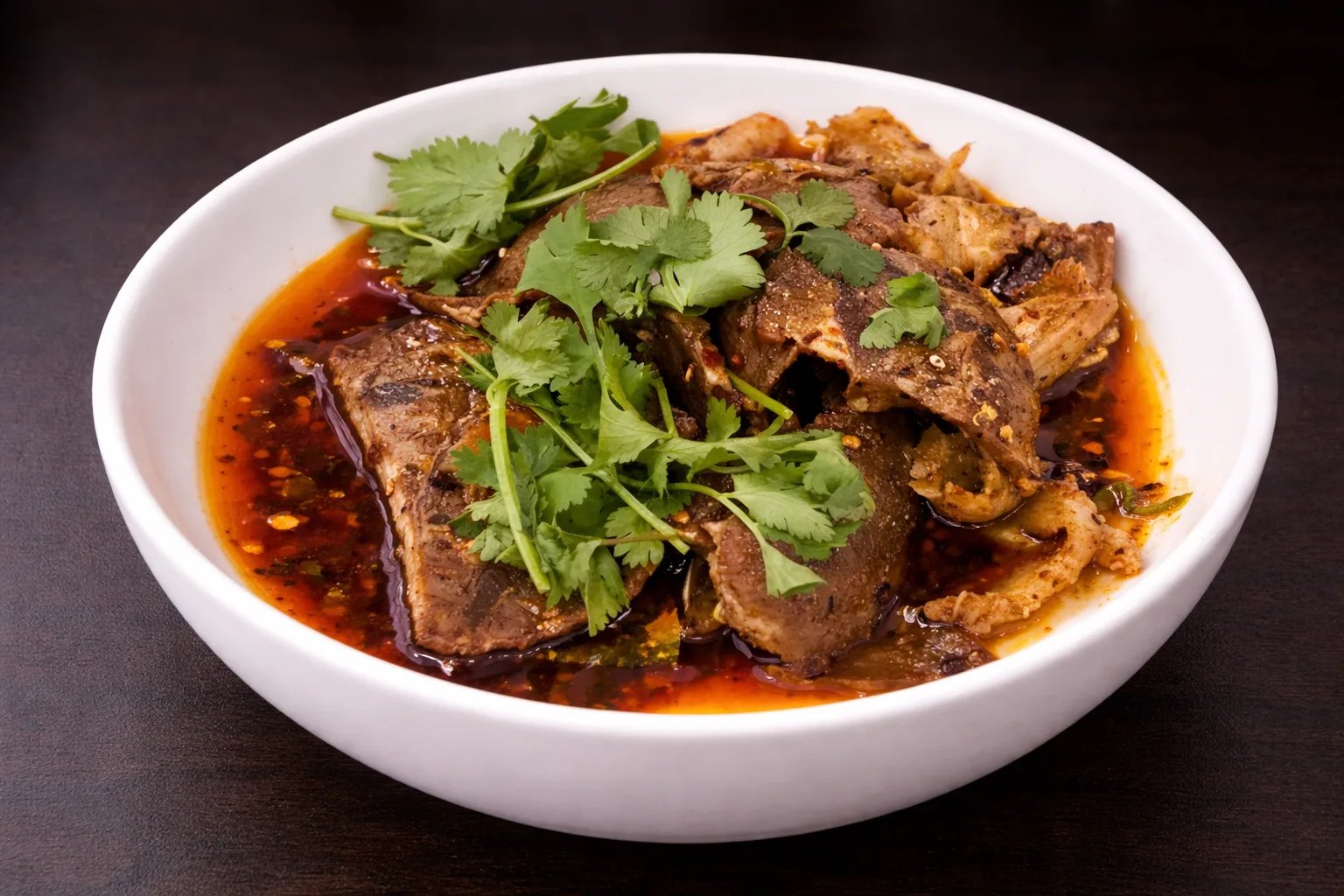
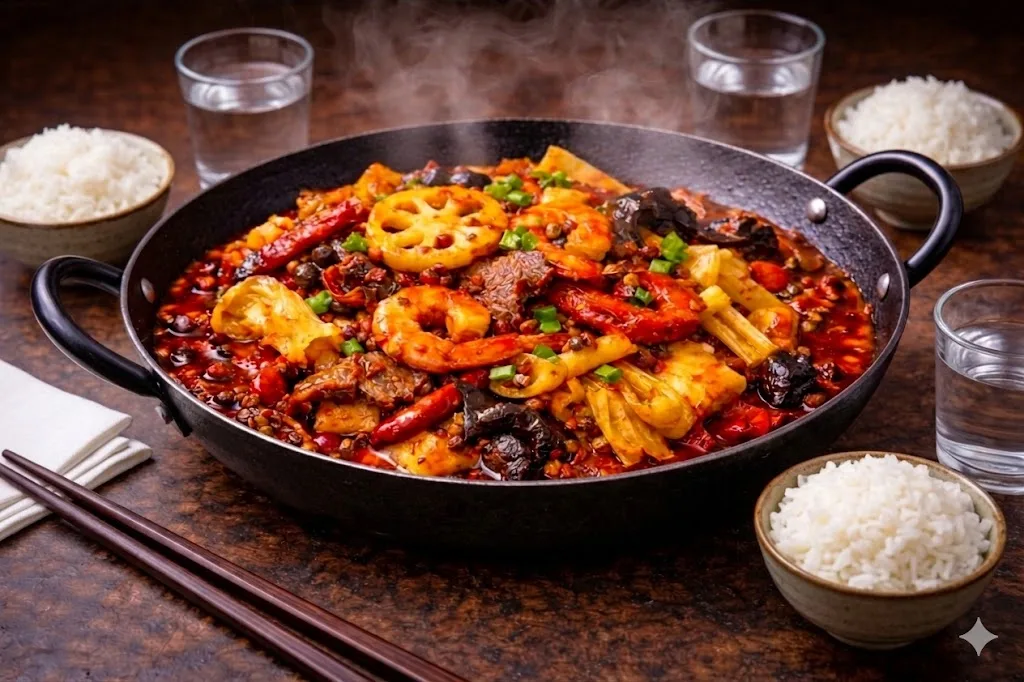
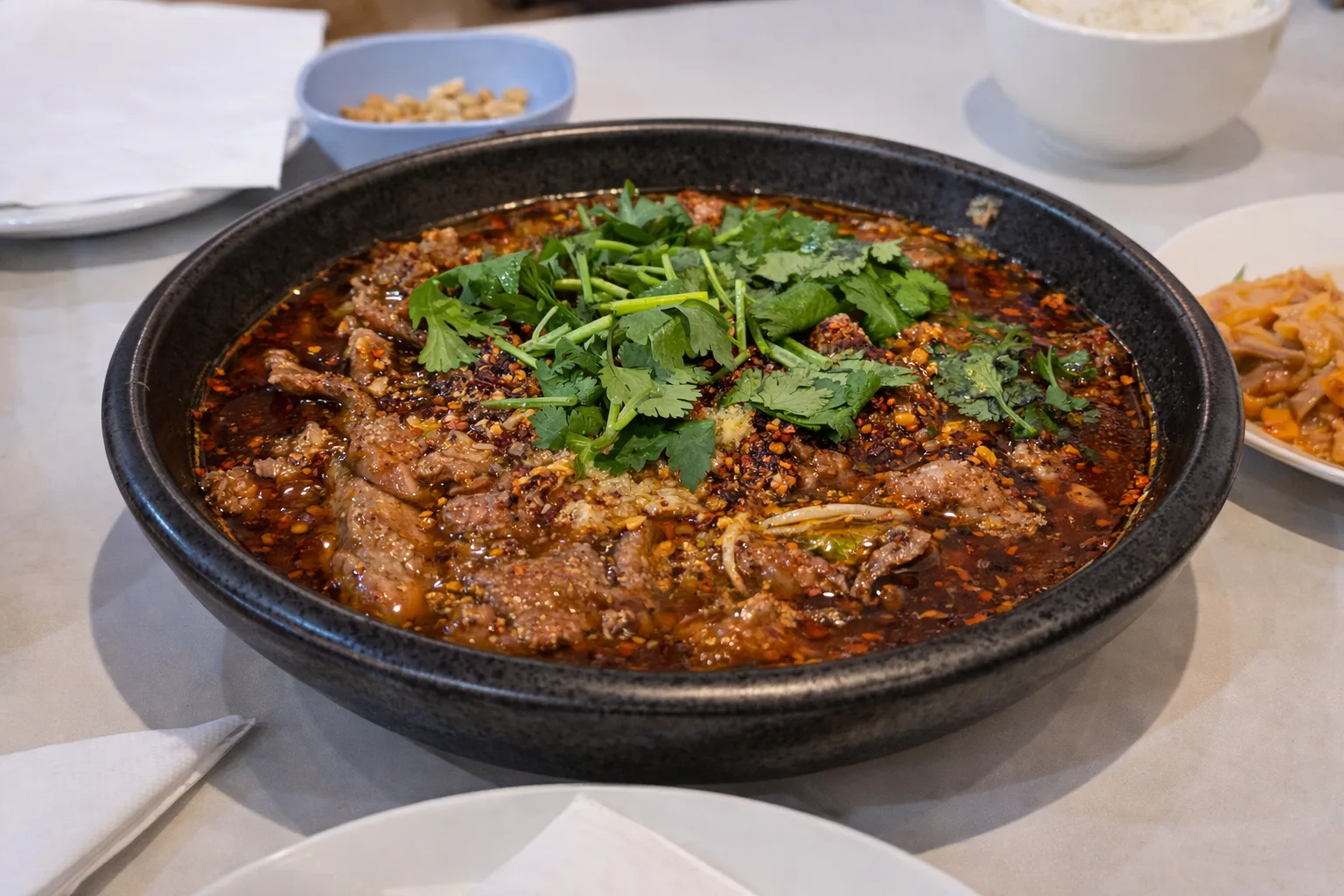
- Mala Sauce: Combined with dried red chili peppers to create the foundational flavor of Sichuan hot pot and dry pots.
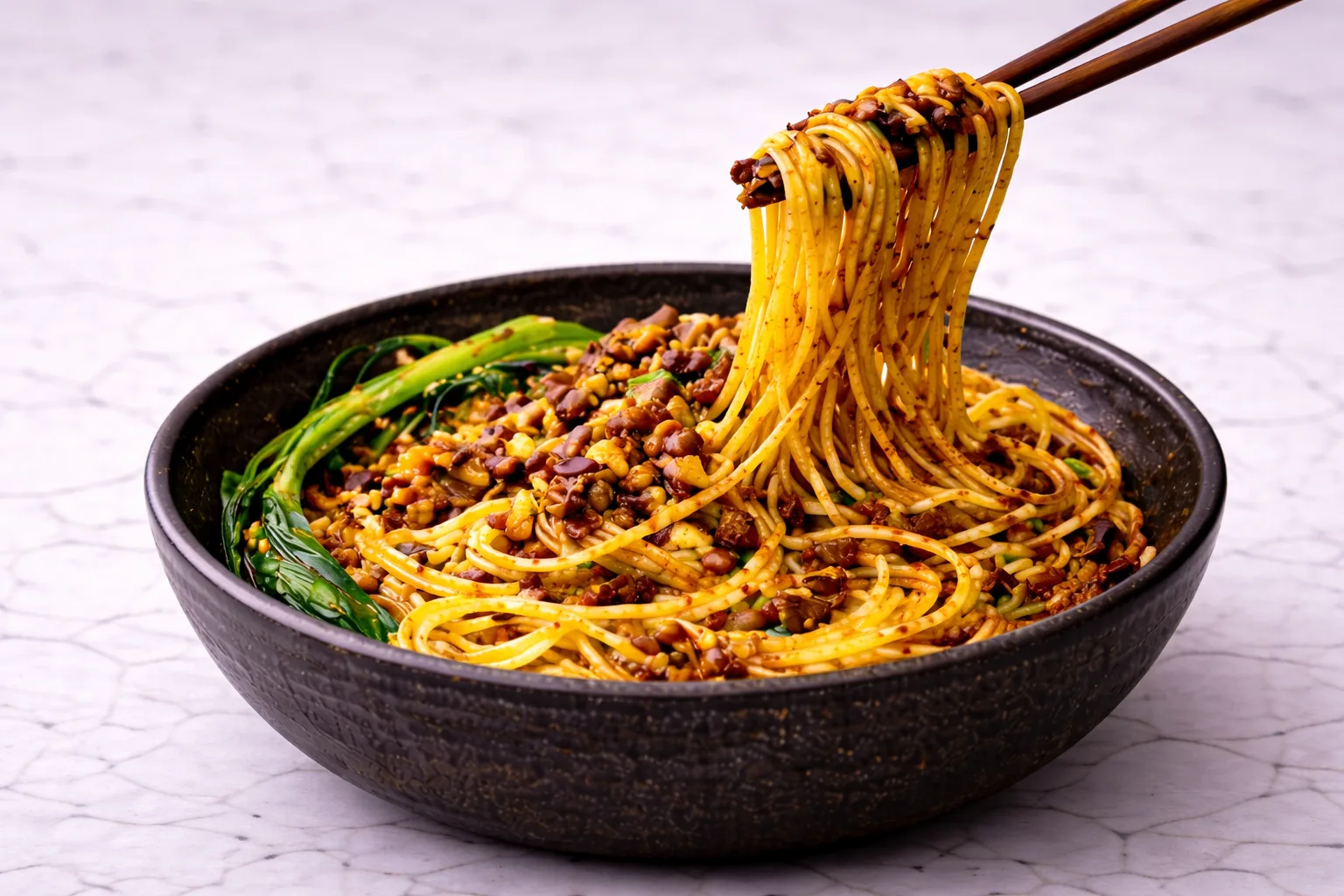
- Huajiao You (Peppercorn Oil): The peppercorns are flash-fried in hot oil to capture their volatile aromatics, creating a finish drizzle for noodles and cold salads.
- Jiao Yan (Pepper Salt): Toasted peppercorns ground together with sea salt, used as a classic dipping powder for fried meats and tofu.
Pro Tip: When preparing Sichuan peppercorns at home, always sort through them first to remove any tiny black seeds or twigs. The black seeds inside the husks are gritty, flavorless, and have an unpleasant texture.
Health Benefits and Traditional Medicine
In Traditional Chinese Medicine (TCM), Sichuan peppercorn is considered a warming ingredient.
- Digestion: Historically used to stimulate digestion, reduce bloating, and dispel abdominal cold.
- Pain Relief: Due to its natural numbing properties, it was historically used as a topical remedy for toothaches.
- Antioxidants: Rich in essential oils and antioxidants that support immune health and reduce inflammation.
Trivia and Fun Facts
- The U.S. Ban: From 1968 to 2005, the United States banned the import of Sichuan peppercorns. This was because they could carry citrus canker, a bacterial disease that threatened American citrus groves. The ban was lifted after a process was approved to heat-treat the peppercorns before import.
- The Name: In Chinese, Huajiao (花椒) translates literally to "Flower Pepper," a nod to the way the split husks open up to resemble tiny blossoms.
Sichuan Peppercorn Dishes
Explore classic dishes that commonly use this ingredient.