Tofu: What It Is, How It Tastes, and How It Is Used
A practical ingredient guide for texture, flavor, cooking styles, and menu context.
Originating in China over 2,000 years ago during the Han Dynasty, tofu, or doufu, is one of the world's oldest and most versatile plant-based proteins. Legend often credits Prince Liu An for its discovery, though it likely evolved from ancient cheesemaking techniques applied to soy milk.
What Is Tofu?
At its core, tofu is soybean curd. The production process is remarkably similar to dairy cheese:
- Extract: Dried soybeans are soaked, ground, and boiled to create soy milk.
- Coagulate: A curdling agent (like magnesium chloride or calcium sulfate) is added to separate the curds from the whey.
- Press: The curds are gathered and pressed into blocks. The duration and intensity of the pressing determine the final texture.
How It Is Used
The "personality" of tofu changes entirely based on its water content. Here is how the varieties break down:
-
Silken (嫩豆腐)
This tofu is unpressed and contains the highest water content. It has a delicate, custard-like consistency that will fall apart if handled roughly.
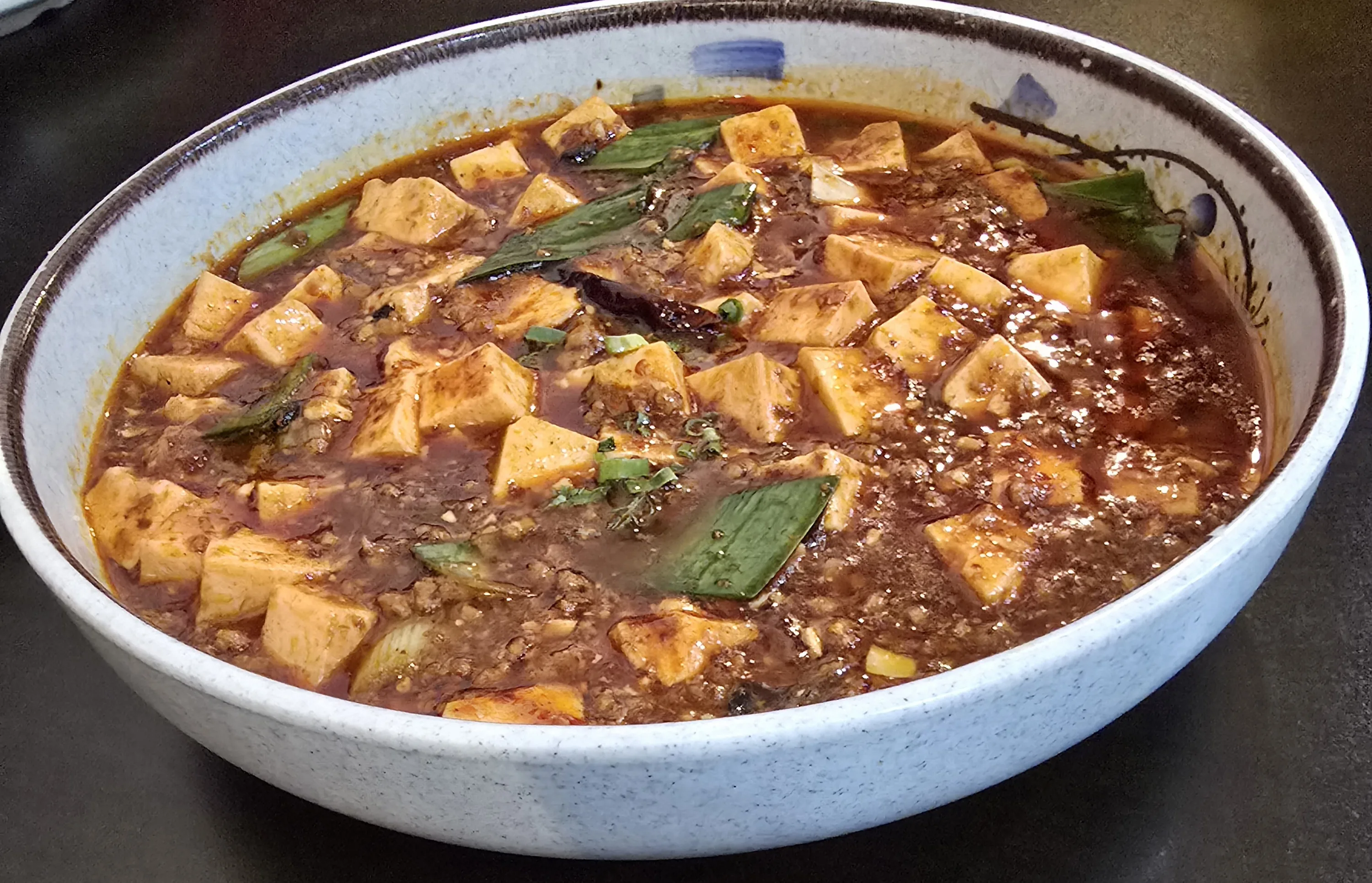
Best for: Smoothies, vegan desserts, or traditional dishes like Mapo Tofu and Douhua (sweet tofu pudding). -
Soft / Medium
Slightly more body than silken but still fragile. It has a smooth, creamy interior and is usually found packed in water.
Best for: Gentle simmering in soups or stews where you want a melt-in-the-mouth texture. -
Firm / Extra Firm
The workhorses of the kitchen. These have been pressed long enough to hold their shape during aggressive cooking. Extra firm has a tighter grain and less water.
Best for: Stir-frying, pan-searing, grilling, or scrambling. -
Dried Tofu (豆干 - Dougan)
This is extra-firm tofu that has been pressed even further until it becomes dense and rubbery (in a good way). It is often pre-seasoned with five-spice or soy sauce.
Best for: Slicing into thin strips for salads or stir-fries; it requires no pressing at home. -
Tofu Skin (腐竹 / 豆皮)
Technically not a pressed block, this is the sheet that forms on top of boiling soy milk (similar to the skin on warm milk). It is sold fresh or dried in sticks or sheets.
Best for: Wrapping fillings (like dim sum bean curd rolls) or adding a chewy, meat-like texture to braises.
Behavior in the Kitchen
Understanding how tofu behaves is the key to mastering it. It is not a meat substitute so much as it is a texture canvas.
- The Flavor Sponge: On its own, tofu is neutral. However, its porous structure allows it to absorb sauces and marinades. Pro-tip: Freezing firm tofu creates ice crystals that leave behind tunnels, making it even more absorbent once thawed.
- Fragility: Tofu lacks the connective tissue of meat. While firm varieties can be flipped, silken tofu should be added at the very end of cooking to avoid turning your dish into a puree.
- Moisture Is the Enemy of Crisp: If you want a golden-brown crust, you must press your tofu first to remove surface moisture. A dusting of cornstarch before frying creates a shattered-glass crispness that contrasts beautifully with the soft interior.
| Tofu Type | Texture | Primary Use |
|---|---|---|
| Silken | Custard-like | Desserts, Soups |
| Firm | Spongy/Solid | Stir-fry, Baking |
| Dried | Dense/Chewy | Salads, Braises |
Tofu Dishes
Explore classic dishes that commonly use this ingredient.