Twice-Cooked Pork: a flavour memory in Sichuan daily life
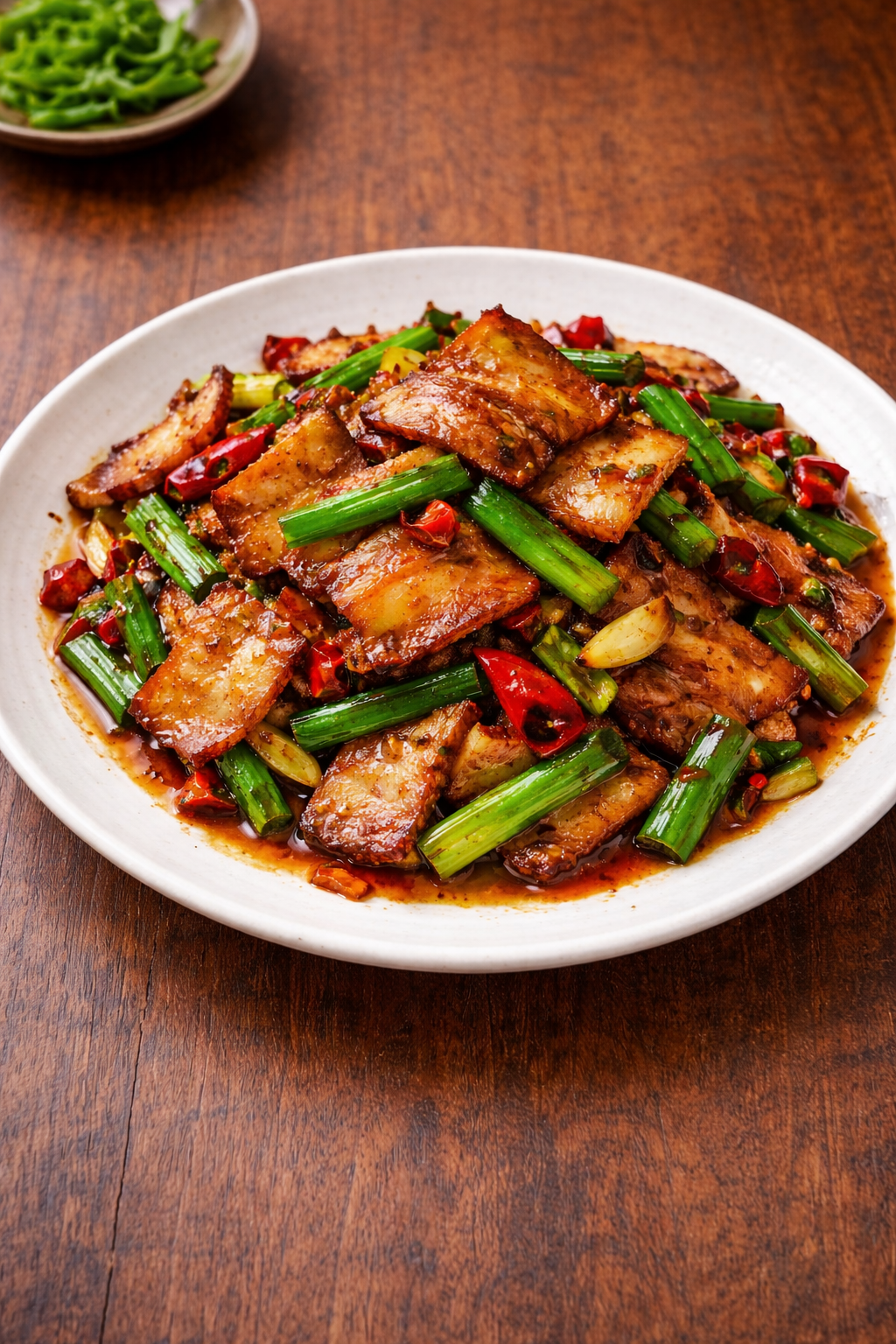
In the world of Sichuan dishes, twice-cooked pork (hui guo rou) is often called the “king of home cooking.” It is not a courtly delicacy, nor a rare treasure, yet thanks to simple knife work and skilful wok technique it has entered countless households and accumulated deep regional cultural meaning.
From ritual to everyday table
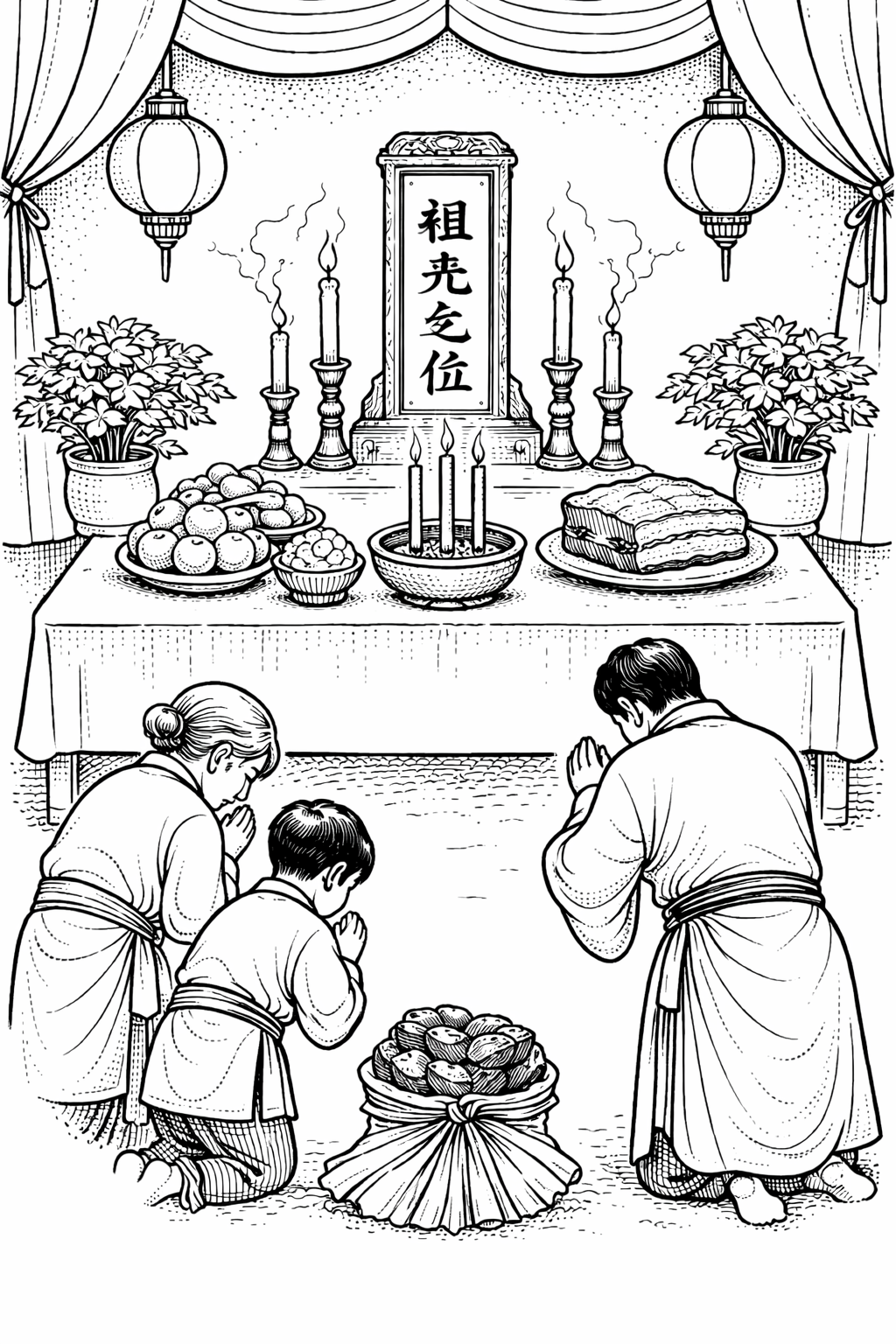
Legend says that in old rural Sichuan, a whole slab of pork would be boiled for offerings during festivals and ceremonies. After the ritual, the meat would not be wasted but returned to the wok and stir-fried — thus the name “double-cooked.” This practice reflects a cultural logic: offerings first, then shared meal; eating together completes the family blessing.
A local food philosophy
Old Sichuan cooks say Twice-Cooked Pork tests your control of heat and balance. You must manage the simmer and then the wok’s breath when frying — not too oily, not too plain; not too spicy, not flavorless. This “just right” balance mirrors an approach to life: measured, neither rushed nor lax.